Maintaining hydraulic systems in cold weather is critical for operational efficiency. Studies indicate that nearly 30% of hydraulic failures occur in frigid conditions. Proper maintenance strategies can significantly reduce these risks. According to industry expert John Davis from Hydraulic Solutions, "Cold weather places immense strain on hydraulic systems, and proactive care can mitigate many issues."
Understanding how to maintain hydraulic systems in cold weather requires specialized techniques. Fluid viscosity increases, leading to sluggish performance. Additionally, seals may harden and lose effectiveness. Neglect can lead to costly repairs and unplanned downtime. Regular inspections are essential, especially during winter months.
Experts recommend using hydraulic fluids designed for low temperatures to ensure optimal performance. Implementing a warm-up routine before operation can prevent strain on the system. Data from the International Fluid Power Society reveals that systems properly maintained in cold weather can perform up to 20% better. This reality underscores the importance of addressing cold weather challenges head-on.
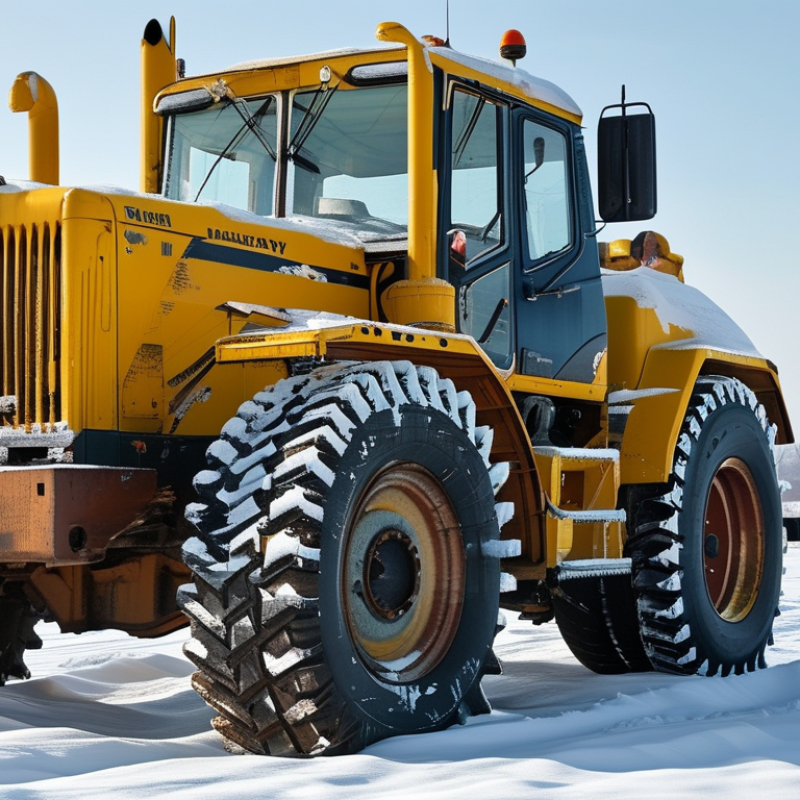
Cold weather can significantly impact hydraulic systems, leading to decreased performance and potential failures. Hydraulic fluids can thicken at lower temperatures, reducing their effectiveness. According to a report by the International Fluid Power Society, viscosity increases by approximately 10% for every 10 degrees Fahrenheit drop in temperature. This can hinder proper flow and create operational issues.
To mitigate these effects, regular maintenance is crucial. One effective method is to ensure the use of low-temperature hydraulic fluids. These fluids are designed to maintain their viscosity even in cold conditions. Regularly checking fluid levels and replacing old fluid is vital. Cold temperatures can also cause seals to become brittle, increasing the risk of leaks. Inspecting seals for wear and tear should be a routine practice.
Tips for maintaining hydraulic systems in cold weather include keeping systems insulated and avoiding sudden temperature changes. Consider using heaters to maintain optimal temperatures. Simple practices like these can help equipment function smoothly. Periodically monitoring system performance and fluid behavior during cold snaps will assist in identifying potential problems early. This proactive approach can save costs and downtime in the long run.
When it comes to maintaining hydraulic systems in cold weather, selecting the right fluids is crucial. Cold temperatures can cause hydraulic fluids to thicken, leading to reduced performance. A fluid with a low pour point ensures proper operation even in frigid conditions.
Tips: Always check the viscosity index of the fluid. A higher index indicates better performance across temperature changes. This will help in avoiding sluggish operation.
Moreover, consider synthetic fluids. They often perform better in extreme temperatures compared to traditional oils. Synthetic options can also offer enhanced protection against wear and tear.
Tips: Consult a fluid specialist to determine the best choice for your specific system. Doing so can prevent costly repairs down the line. Remember, not all fluids are the same; some may not withstand severe cold.
In addition, proper storage of fluids is essential. Keep them in a controlled environment to prevent contamination and ensure effective performance. By paying attention to these details, you can maintain hydraulic systems efficiently in winter months.
| Fluid Type | Viscosity at -20°C (cSt) | Pour Point (°C) | Operating Temperature Range (°C) | Recommended Application |
|---|---|---|---|---|
| AW 32 | 35 | -18 | -20 to 50 | General hydraulic applications |
| AW 46 | 46 | -15 | -18 to 50 | Construction equipment |
| AW 68 | 68 | -10 | -10 to 60 | Heavy machinery |
| Biodegradable Fluid | 30 | -12 | -15 to 50 | Environmentally sensitive areas |
Cold weather can pose significant challenges for hydraulic systems. Regular maintenance checks are essential to ensure their reliable operation. Start by inspecting fluid levels. Hydraulic fluids can thicken in low temperatures, affecting performance. Ensure the fluid is the right type for low temperatures.
Next, check for leaks. Cold weather may cause seals to become brittle. A visual inspection can help identify potential issues. Also, monitor the pressure levels in the system. Fluctuations can indicate problems needing immediate attention. It's vital to clean filters regularly to avoid clogs that can hinder system efficiency.
Additionally, consider the environment where the hydraulic system operates. Snow and ice can accumulate around machinery, leading to mechanical strain. Regularly clear away ice and debris. Reflecting on past winter performance can highlight areas needing improvement. This proactive approach will help maintain operational stability in harsh conditions.
Winter weather can severely impact hydraulic systems, leading to reduced efficiency and potential failures. Insulating hydraulic components is crucial during cold months. Reports indicate that proper insulation can reduce heat loss by up to 40%, keeping fluids at optimal operating temperatures. Insulating hoses and pipelines with materials like foam or thermal wraps helps prevent freezing.
In addition, protecting hydraulic systems from moisture is essential. Humidity can lead to ice formation inside the components. Keeping equipment in a dry environment minimizes risks. Using covers or enclosures can shield units from snow and rain. It's crucial to regularly check seals and gaskets for wear, ensuring that moisture doesn’t enter the system.
Operators must remain vigilant. Even with insulation, unexpected cold snaps can occur. Monitoring temperature levels in hydraulic fluids is vital. If temperatures drop too low, heating elements may be necessary. Failure to address these issues can lead to costly downtimes and repairs.
Cold weather poses significant challenges for hydraulic systems. Ensuring efficient start-up is crucial during these frigid conditions. Operators should avoid abrupt system activation. Gradual warming is essential for hydraulic fluid viscosity. It can prevent potential system damage. A slower start-up allows components to adapt. This practice enhances the lifespan of the system.
Monitoring fluid temperature is vital. If the temperature is extremely low, pre-heating methods can be helpful. Operators might use electric heaters or heated enclosures. Always verify that the fluid is within optimal temperature ranges before operation. This step helps maintain proper flow and pressure, ensuring functionality. Additionally, consider using winter-grade hydraulic fluids. They are specifically formulated for cold environments, enhancing performance.
Regular maintenance checks can be overlooked in cold weather. Inspect seals and connections for ice build-up. This can lead to leaks, which hinder system efficiency. Also, keep an eye on moisture levels in the system. Cold conditions may increase condensation, which can harm hydraulic components. Reflection on these aspects is necessary for long-term reliability. With diligence and careful preparation, hydraulic systems can thrive even in the coldest environments.
: Cold weather thickens hydraulic fluids, reducing their effectiveness and performance. Viscosity can increase significantly in low temperatures.
Regular maintenance is essential. Use low-temperature hydraulic fluids and check fluid levels frequently.
Proper insulation can reduce heat loss by up to 40%, keeping fluids at optimal temperatures and preventing freezing.
Operators should monitor fluid temperature and seal integrity regularly to prevent leaks and failures due to ice accumulation.
Avoid abrupt system activation. Gradual warming helps maintain fluid viscosity and prevents system damage.
Using electric heaters or heated enclosures can prepare fluids for operation in extremely low temperatures.
Humidity can lead to ice formation inside components, so keeping the environment dry is crucial.
Winter-grade hydraulic fluids are specially formulated to maintain performance in cold conditions.
Overlooking maintenance can lead to ice build-up and leaks, which hinder system efficiency and longevity.
Failing to address cold-related issues can lead to costly downtimes and repairs. It's crucial to stay vigilant.
In addressing the question of "How to maintain hydraulic systems in cold weather?", it is crucial to understand the unique challenges posed by low temperatures. Cold weather can significantly affect hydraulic fluid viscosity and performance, leading to issues such as sluggish operation and increased wear on components. Therefore, selecting the appropriate fluids designed for cold weather performance is essential for optimal functioning.
Regular maintenance checks become paramount in ensuring reliable operation during winter months. This includes inspecting fluid levels, testing fluid quality, and ensuring that all components are protected from the cold. Additionally, insulating and protecting hydraulic parts can prevent freezing and damage. Implementing best practices for starting up hydraulic systems in cold conditions—such as gradually warming the system and avoiding sudden engagement—can enhance performance and extend the life of the equipment. Through these strategies, operators can effectively maintain hydraulic systems in cold weather.

Plautz Excavator